

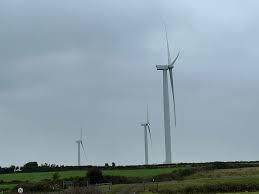
Sceirde Rocks Offshore Windfarm in Ireland has been formally discontinued after court proceedings revealed that the €1.4 billion offshore wind construction project could not survive extreme Atlantic weather conditions. The Commercial Court heard that extensive engineering studies, environmental assessments, and feasibility work ultimately confirmed the project was not viable for long-term operation.
Moreover, investors and developers faced escalating technical risks despite years of surveys and planning approvals. Consequently, the decision to abandon the project followed detailed modelling of wind, wave, and current forces across the Galway offshore site. Furthermore, the case has become a key reference point for offshore construction risk management in exposed marine environments.
Sceirde Rocks Offshore Windfarm construction project risks revealed in court
The Commercial Court examined technical affidavits showing that the Sceirde Rocks Offshore Windfarm could not meet survivability requirements under Atlantic storm conditions. Engineers conducted front-end engineering design studies and offshore site surveys across multiple years. Additionally, maritime area consent had already been secured before final risk assessments intensified in 2025. However, updated modelling revealed extreme weather forces exceeding design thresholds for turbine stability.
Moreover, structural simulations highlighted fatigue risks in turbine blades and foundation systems. Consequently, developers concluded that continued investment would not guarantee safe or sustainable operation. Insurers also withdrew support after reassessing long-term exposure risks. Therefore, the project was discontinued despite advanced planning and regulatory progress. Investors later challenged the decision, arguing breach of contractual obligations. The defendant rejected all claims and confirmed full legal defence.
Sceirde Rocks Offshore Windfarm planning process and community impact concerns
The Sceirde Rocks Offshore Windfarm was designed to include 30 turbines located between 5km and 11.5km off the Galway coast. It aimed to supply electricity to approximately 350,000 Irish homes while contributing up to €70 million in community development funding. However, the planning application attracted 177 third-party submissions raising environmental and visual impact concerns.
Furthermore, public opposition included submissions from local residents and national commentators. Critics argued that alternative offshore locations offered lower environmental disruption. Meanwhile, supporters emphasized renewable energy expansion and regional infrastructure benefits. Nevertheless, planning authorities later withdrew the application following the technical collapse of the project’s feasibility case. As a result, regulatory approval processes were halted before construction could begin.
The collapse of the Sceirde Rocks Offshore Windfarm contrasts with continued investment momentum in Ireland’s offshore sector, as seen in Ingka Group invests in Irish offshore wind farm projects, which highlights how global investors are backing technically viable renewable developments to strengthen long-term energy infrastructure.
Sceirde Rocks Offshore Windfarm investment dispute and Commercial Court proceedings
The project dispute now centers on a share purchase agreement between Galway investors and Inis Holding Co Ltd. Three investors initiated legal action, claiming failure to progress development in good faith. They seek damages and declarations of contractual breach linked to milestone obligations.
In contrast, Inis argues that withdrawal was necessary due to technical failure and survivability risks. The company also offered a nominal €1 buyback, citing zero remaining project value. Meanwhile, mediation has been scheduled as the case progresses through the Commercial Court fast-track system. Consequently, the outcome may influence future offshore wind investment agreements in Ireland.
Project Fact Sheet
Project Name: Sceirde Rocks Offshore Windfarm
Country: Ireland
Project Type: Offshore Wind Energy Construction Project
Location: Offshore west coast of County Galway (nearest settlement: Carna)
Project Status: Discontinued after court-reviewed technical findings
Investment Value: €1.4 billion
Turbine Count: 30 offshore turbines
Turbine Height: Over 1,000 feet each
Distance Offshore: 5km–11.5km
Planned Capacity: Electricity for approximately 350,000 homes
Community Investment Plan: Up to €70 million
Key Technical Work: Wind, wave, current measurements and FEED studies
Regulatory Milestone: Maritime Area Consent obtained
Planning Status: Application withdrawn after 177 submissions
Primary Risk Factor: Extreme Atlantic weather survivability constraints
Insurance Status: Coverage withdrawn due to long-term operational risk
Legal Status: Active Commercial Court proceedings
Project Team
Developer / Joint Venture Entity: Inis Holding Co Ltd
Parent Investment Groups: Corio Generation (Macquarie Group), Ontario Teachers’ Pension Plan Board
Project Company: Fuinneamh Sceirde Teo (FST)
Investors / Claimants:
- Seosamh Ó Laoi (Spiddal, Galway)
- Padraig Ó Laoi (Lettermullen, Galway)
- Bartley Lee (Cnoc Na Caltrach, Galway)
Additional corporate and individual shareholders
Legal Representatives: Commercial litigation teams for both plaintiffs and defendant
Key Executive (Inis Holding Co Ltd): Guillermo Martinez-Navas
Engineering Consultants: Offshore wind engineering and FEED study specialists
Environmental Consultants: Marine impact and coastal assessment advisors
Financial Stakeholders: Infrastructure investment funds and pension-backed capital partners
Regulatory Authorities: Irish maritime planning bodies and Commercial Court (Ireland)
Stakeholders: Local Galway communities, planning objectors, renewable energy advocacy groups


