

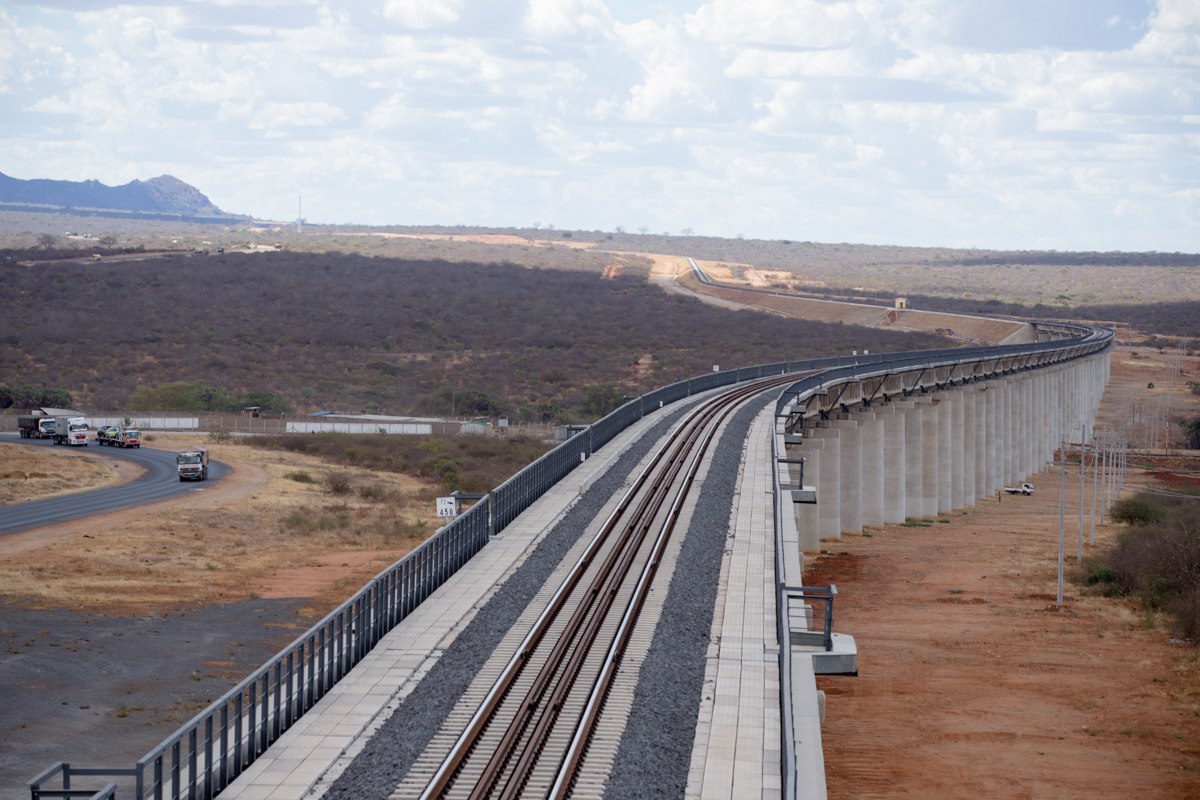
Kenya is weighing plans to electrify its Chinese-built SGR project as government makes plans with Turkish firm Yapi Merkezi. The move aims to link the line with Uganda’s electric railway under construction. The move is also expected to deepen regional integration and boost trade flows across East Africa. Yapi Merkezi Holdings is already leading Uganda’s rail development.
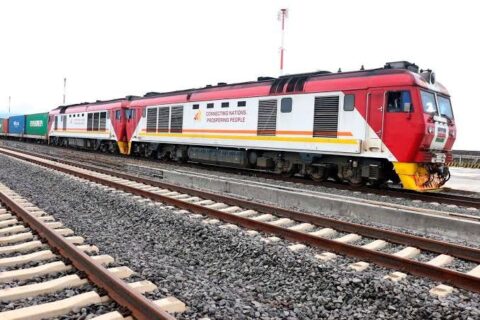
The discussions centre on converting Kenya’s existing diesel-powered SGR into an electric system. Conversely, the aim to integrate it with the €2.7 billion (Sh409.1 billion) Ugandan line stretching from the Kenyan border to Kampala. If realised, the project would mark a major shift in efforts to provide an amicable mode of transport across East Africa.
It would provide seamless regional rail network connecting East African economies through modern transport infrastructure. Yapi Merkezi Vice Chairman Erdem Arıoğlu, the company sees the project as an opportunity to build a transport system that enhances efficiency and trade across borders.
Outlook on the Kenya SGR Electrification by Yapi Merkezi
Earlier on, President William Ruto had said the country was exploring a partnership agreement with the United Arab Emirates (UAE) to extend the SGR to connect Kenya, Uganda, and also South Sudan. Momentum around the regional railway plan has been building over the past two years. Uganda signed an agreement with Yapi Merkezi in October 2024 for its section of the SGR.
On the other hand, Kenya opened talks with UAE in early 2025 over financing options to extend its line from Naivasha through Kisumu to Malaba at the Ugandan frontier. If accomplished, the link would position Kenya as a gateway for freight moving deeper into the region. Funding for the Kenyan expansion is expected to rely heavily on the Railway Development Levy. Tanzania is also working on the SGR on its end as it seeks $2.2 billion funding from Standard Chartered Bank.
The government has also explored raising as much as $4 billion (Sh516.8 billion) through the securitization of the levy to support the rail extension. The planned upgrade builds on the existing SGR, completed in 2019 at roughly $5 billion. Transport Cabinet Secretary Davis Chirchir previously said Kenya was also engaging Etihad Rail. The aim is to explore possible freight operations along the expanded SGR corridor.
Project Factsheet
Project Name: Kenya Standard Gauge Railway (SGR) Electrification
Location: Kenya
Estimated Investment Value: Not yet disclosed (existing SGR cost ~$5 billion)
Project Type: Railway electrification and regional rail integration
Timeline
2019: Existing Kenya SGR completed
2024: Uganda signs SGR deal with Yapi Merkezi
2025: Kenya opens talks on SGR extension financing
2026: Electrification discussions advancing
Site & Scale
Existing Line: Diesel-powered Kenya SGR network
Regional Link: Kenya border to Kampala line under construction
Uganda Section Value: €2.7 billion (Sh409.1 billion)
Future Extension: Naivasha – Kisumu – Malaba corridor
Project Teams
Lead Discussions: Government of Kenya
Potential Delivery Partner: Yapi Merkezi
Regional Partner: Government of Uganda
Other Interested Partner: Etihad Rail
Infrastructure Scope
Conversion of diesel SGR to electric rail system
Cross-border integration with Uganda electric railway
Potential extension toward Kisumu and Malaba
Freight and passenger rail modernization
Strategic Objectives
Create seamless East African rail connectivity
Also boost regional trade and freight efficiency
Lower diesel dependence and modernize transport
Position Kenya as gateway to inland East Africa
Challenges
Large financing requirements
Cross-border coordination between countries
Need for grid power and rail systems integration
Execution timelines for multiple linked projects
Current Status
Government evaluating electrification plans
Also talks ongoing with Yapi Merkezi and other partners
Regional railway integration strategy gaining momentum


