

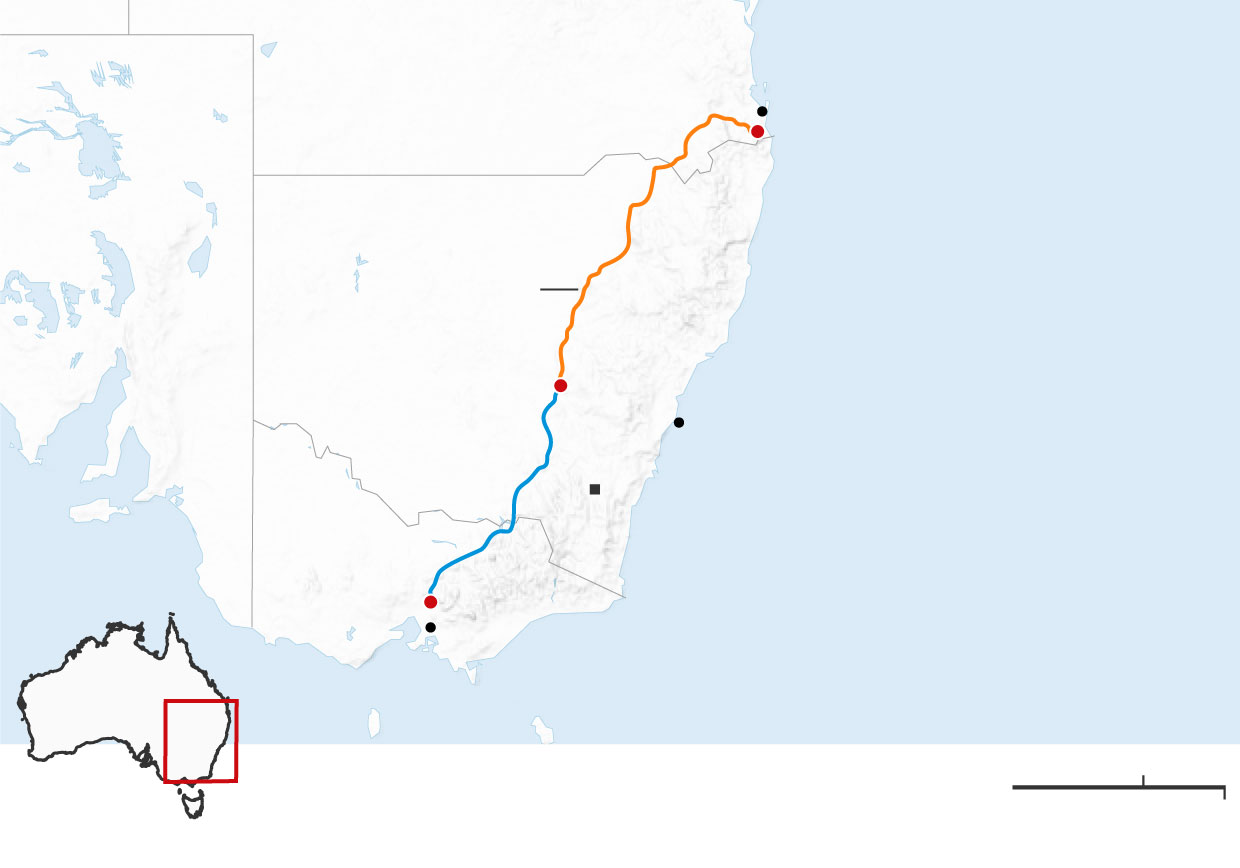
The $45bn+ Beleaguered inland rail project connecting NSW with Queensland has been abandoned by the Albanese government. The project will be significantly scaled back as the price tag blows out to more than earlier purported. Originally envisioned to run 1,700km from Melbourne to a port near Brisbane, this has been scrapped off. Conversely, the new scale will now only connect Beveridge, on the outskirts of Melbourne, to Parkes in central-west New South Wales (NSW).
The new proposition cuts the earlier distance by half with the government reallocating $1.75bn of the funding to other national rail upgrades. The project’s cost has increased more than 50% in just three years.
Moreover, this is since Dr Kerry Schott was commissioned by Labor in 2023 to independently review the project. Schott estimated the project would be completed by 2031 and also cost upwards of $31.4bn – a doubling of the previous estimate – which she called “astonishing”, adding she was not confident on the figures.
Other Projects
Another controversial rail project that is still advancing is the Cross River Rail project. Australia’s 10.2km Cross River Rail project in Brisbane is experiencing significant delays and cost escalations. Moreover, the opening now expected in 2029 and costs estimated at $17–$19 billion. Despite these challenges, construction continues on the 5.9km twin tunnels, four new underground stations (Boggo Road, Woolloongabba, Albert Street, Roma Street), and surface station
Scope of Implementation on the Beleaguered Inland Rail Project
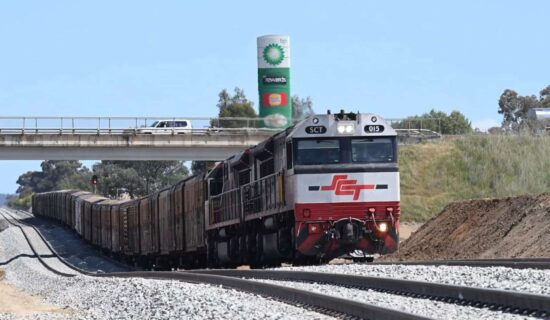
The Beleaguered inland rail project abandonment will effectively see the end of the Inland Rail vision. However, the government is still seeking environmental and state approvals. It is also preserving areas of land where the project is intended to be built, through northern NSW and south-eastern Queensland. Delivering the freight link to Parkes will allow double-stacked freight trains to run west to Perth and east to Newcastle from Beveridge.
The government also now expects construction between Parkes and Beveridge to be completed in late 2027. The Coalition announced the project in 2017, with an estimated cost of $9.3bn. In 2020, the project’s estimated cost increased to $16.4bn, with a completion date of 2026-27. Schott’s 2023 review had pointed to “immature preliminary designs and approval requirements”, prolonged approval processes and “recent escalations” as reason for the blow outs.
The government had budgeted just $14.5bn towards the freight link, and by abandoning half of the track while reallocating a portion of the funding will deliver a small improvement to the budget bottom line.
Project Factsheet:
- Project Name: Inland Rail Project
- Location: Australia (Victoria to New South Wales corridor)
- Estimated Investment Value: $45 Billion+ (original), scaled down
- Project Type: Freight rail infrastructure
Timeline
- 2017: Project announced with initial $9.3bn estimate
- 2020: Cost revised to $16.4bn
- 2023: Independent review highlights major cost overruns
- 2026: Project scaled back by government
- Late 2027: Target completion for revised section (Beveridge–Parkes)
Site & Scale
- Original Scope: ~1,700 km (Melbourne to Brisbane)
- Revised Scope: Beveridge (Victoria) to Parkes (NSW)
- Reduction: Project length cut by more than half
- Function: Freight rail corridor for double-stacked trains
Project Teams
- Project Owner: Australian Government
- Review Lead: Kerry Schott
Infrastructure Scope
- Freight rail line connecting Victoria and New South Wales
- Capability for double-stacked freight trains
- Connections դեպի national freight network (Perth and Newcastle routes)
- Land preservation for potential future extensions
Strategic Objectives
- Improve national freight efficiency
- Reduce congestion on existing rail and road networks
- Strengthen east–west freight connectivity
- Support long-term logistics and trade infrastructure
Challenges
- Major cost overruns (more than 50% increase in three years)
- Initial design and planning shortcomings
- Lengthy environmental and regulatory approval processes
- Political and funding constraints
- Loss of full Melbourne-to-Brisbane vision
Current Status
- Original full scope effectively abandoned
- Scaled-down project approved and moving forward
- $1.75bn reallocated to other national rail upgrades
- Also construction ongoing with completion targeted for 2027


