

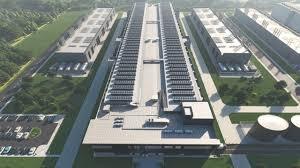
Pantheon AI data center project in Croatia is set to reshape Europe’s digital infrastructure landscape with a €50 billion hyper scale investment. Pantheon Atlas LLC leads the development of the AI campus, which integrates large-scale computing, renewable energy, and advanced storage systems. Moreover, construction is scheduled to begin in 2027, with full operations targeted for Q1 2029. Consequently, the project positions Croatia as an emerging hub for AI-driven infrastructure in Europe. In addition, the initial phase includes €12 billion in capital deployment to accelerate early construction works.
Pantheon AI data center project integrates 500MW solar and 2GW storage system
Pantheon AI data center construction project includes a 500MW on-site solar facility and a 2GW/8GWh battery energy storage system (BESS). Moreover, Pantheon Atlas LLC confirmed that Greenvolt, a Spanish independent power producer, signed a letter of intent to develop the solar and storage infrastructure. Additionally, the renewable energy system will operate behind-the-meter to directly support the AI campus load.
However, the installation timeline for the energy systems remains aligned with phased construction milestones. Therefore, energy integration forms a core pillar of the project’s operational strategy. Furthermore, the project design prioritizes energy autonomy and grid resilience. Consequently, the combination of solar generation and large-scale storage aims to stabilize high-density AI workloads. In addition, developers are aligning the system with Europe’s rising demand for clean digital infrastructure.
Pantheon AI data Centre project expands Croatian grid capacity with 4x400kV lines
Pantheon AI data center project also includes major transmission infrastructure upgrades across Croatia. Moreover, the development will construct four 400kV transmission lines to support national grid expansion. Additionally, Pantheon Atlas stated that this infrastructure could enable up to 5.2GW of additional renewable energy capacity integration.
Consequently, the project extends beyond a single facility into national energy system reinforcement. Therefore, Croatia’s transmission network will undergo significant long-term structural enhancement. Furthermore, these upgrades support broader European energy transition objectives. In addition, the grid expansion improves conditions for future industrial and digital investments. However, regulatory approvals and coordination with transmission authorities remain essential for execution.
Pantheon AI data Centre project aligns with global AI energy demand surge
Pantheon AI data center project emerges amid accelerating global electricity demand from AI infrastructure. Moreover, the International Energy Agency (IEA) projects electricity demand will grow 2.5 times faster than overall energy demand by 2030. Additionally, data canters represent a major driver of this “Age of Electricity” transformation.
Consequently, developers increasingly integrate renewable energy and storage into hyperscale designs. Therefore, Pantheon AI reflects a broader shift toward energy-integrated digital infrastructure. Furthermore, global technology companies are securing direct energy assets to support AI growth. For instance, Google acquired renewable developer Intersect Power to internalize solar generation. Similarly, Meta has explored unconventional off-grid solutions, including space-based solar offtake agreements. In addition, these trends highlight intensifying competition for clean, reliable power for AI workloads.
The Pantheon AI data center project in Croatia aligns with broader European hyperscale developments, similar to the Berlin I data center campus in Brandenburg Park, Germany, which is expanding regional digital infrastructure through phased hyperscale builds and renewable-powered design integration.
Project Fact Sheet
Project Name: Pantheon AI Data Centre Campus
Developer: Pantheon Atlas LLC
Location: Topusko, Croatia
Total Investment Value: €50 billion ($58.5 billion)
Initial Phase Investment: €12 billion
Construction Start: 2027
Operations Start: Q1 2029
Core Capacity: Hyperscale AI data center campus
Power Infrastructure: 500MW on-site solar plant
Energy Storage: 2GW / 8GWh BESS system
Solar Developer Partner: Greenvolt (LOI signed)
Grid Infrastructure: Four 400kV transmission lines
Grid Capacity Impact: Up to 5.2GW additional renewable integration
Energy Model: Behind-the-meter renewable + storage system
Primary Function: AI computing, cloud infrastructure, high-performance data processing
Development Phase: Early construction planning and financing mobilization
Project Team
Project Owner / Developer: Pantheon Atlas LLC
Founding Partner / Strategic Lead: Jako Andabak
Lead Investment Group: Transatlantic institutional investment consortium
Renewable Energy Partner: Greenvolt (Spain-based independent power producer)
Engineering & Technical Development:
- Pantheon AI internal engineering division (system architecture and AI infrastructure design)
- Hyperscale data center engineering specialists (gigawatt-scale facility design)
- Energy storage system designers (2GW/8GWh BESS integration)
- Transmission infrastructure engineers (400kV grid expansion design)
Government & Regulatory Authorities:
- Government of the Republic of Croatia
- Ministry of Economy and Sustainable Development
- Ministry of Physical Planning, Construction and State Assets
- Croatian Energy Regulatory Agency (HERA)
- HOPS – Croatian Transmission System Operator
- Sisak-Moslavina County authorities
- Municipality of Topusko
Financial & Legal Advisory:
- International legal advisory firms (cross-border structuring and compliance)
- Big Four consultancy firms (financial modelling, ESG, audit, and tax advisory)
- Infrastructure finance advisors (capital structuring and risk allocation)
- ESG and sustainability consultants (EU environmental compliance and reporting)
Infrastructure & Ecosystem Partners:
- Končar Group (electrical infrastructure and grid equipment systems)
- Croatian national grid operators (transmission and integration support)
- Renewable EPC contractors (solar and storage deployment)
- Telecom and fiber operators (high-capacity connectivity infrastructure – to be confirmed)
- Data center systems integrators (cooling, redundancy, and facility systems – to be confirmed)


