

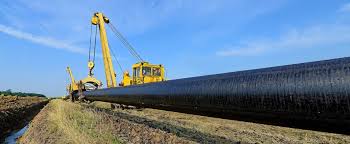
The proposed Western Gateway Pipeline has moved a step closer to development after securing sufficient long-term shipper commitments during its latest open season, marking a key milestone toward eventual construction.
Announced on April 20, 2026, the development enables the project to progress toward final transportation agreements, joint venture arrangements, and board approvals—critical steps before construction can begin.
Backed by Phillips 66 and Kinder Morgan, the pipeline is designed to transport refined products from Midwest and Gulf Coast refineries to high-demand markets in Phoenix and California, with additional connectivity to Las Vegas.
New Construction Combined With System Reconfiguration
The Western Gateway Pipeline will integrate new construction with modifications to existing infrastructure across multiple states:
- A new-build pipeline segment from Borger to Phoenix
- Reversal of an existing pipeline between Colton and Phoenix to enable east-to-west flows into California
- Reversal of the Gold Pipeline to direct refined products toward Borger from Midwest and Gulf Coast supply sources
This hybrid model allows the project to leverage established assets while still requiring significant new construction, particularly along the Texas-to-Arizona corridor.
A Key Step Toward Construction
While not yet a notice to proceed, the successful open season represents a construction-enabling milestone, confirming sufficient market demand to justify advancing the project. Large-scale pipeline developments typically rely on these commitments before entering final engineering and procurement phases.
Why It Matters
The advancement of the Western Gateway Pipeline stands out as a major U.S. infrastructure development because it:
- Strengthens fuel supply reliability across western markets
- Signals continued investment in large-scale energy logistics infrastructure
- Sets the stage for a multi-state pipeline construction program
- Demonstrates how developers are combining new builds with existing systems to optimize capital efficiency
With shipper backing now secured, the project is positioned to move closer to construction, making it a notable development in the evolving U.S. energy infrastructure landscape.
As the Western Gateway Pipeline secures commitments to stabilize fuel supply in the West, the Northeast is seeing its own infrastructure surge with the start of NESE construction to meet growing natural gas demand. Also, Alongside pipeline expansion efforts, electricity infrastructure is also seeing upgrades, including the Bay Area 230 kV Underground Line, aimed at improving grid stability and supporting clean energy delivery..

Western Gateway Pipeline Fact Sheet
Project Overview
- Joint Venture Partners: Phillips 66 and Kinder Morgan, Inc.
- Project Name: Western Gateway Pipeline (Western Gateway)
- Target In-Service Date: Mid-2029
- Status: Advanced following successful second open season with long-term shipper commitments
- Primary Purpose: Transporting refined products to Arizona and California markets
Infrastructure and Logistics
- New Construction: New-build pipeline segment from Borger, Texas, to Phoenix, Arizona
- Asset Integration: Utilization of Kinder Morgan’s existing SFPP, L.P. pipeline system
- Pipeline Reversals:
- SFPP Pipeline: Reversing flow from Colton, California, to Phoenix to enable east-to-west product delivery into California
- Gold Pipeline: Reversing Phillips 66-operated line (Borger to St. Louis) to move Midwest and Gulf Coast supplies toward Borger
- Regional Connectivity: Direct link to Las Vegas, Nevada, via Kinder Morgan’s CALNEV Pipeline
Market Impact
- Supply Sources: Midwest and Gulf Coast refinery hubs
- Target Markets: Phoenix (AZ), Las Vegas (NV), and various California regions
- Operational Benefits: Improved supply flexibility, enhanced reliability, and utilization of existing pipeline footprints


